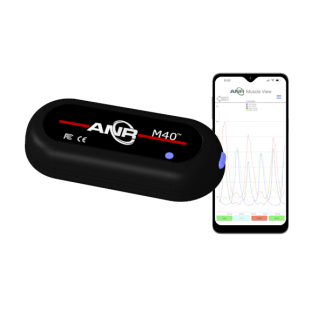
See the project: Muscle sensors may let you control a drone by clenching your fist – a more intuitive way to control robots. MIT CSAIL research project.
Electromyography (EMG) sensing technology and nerve conduction studies have a long history of success diagnosing neurological disorders. Now with affordable wearable EMG sensors, other applications are emerging such as: biofeedback, PT/OT rehabilitation, performance and excercise training, robot control, augmented reality ...
We try to watch for interesting articles. Please enjoy.
EMG and nerve conduction studies in diagnostics of Guillain-Barre syndrome (GBS) associated with COVID-19
Read the article: Guillain-Barre Linked to COVID-19.
EMG used in endurance training and supervised learning
3D-printed bionic arms with multiple hand grips
Read the article: Meet Tilly Lockey, the girl who’s making bionic arms insanely cool.
Role of wearable devices in health care
Read the article: Role of wearable devices increasing in health care.
EMG in neurological diagnostics
Read the article: Electromyogram report crucial for patients with suspected myositis
Prosthetic hand with muscle sensing
Robot hand controlled with EMG
See the project: Noam Yakar’s robot hand. Tenafly High School student wows Intel Science Fair
Robotic Hand Control Using EMG
See the project: Robotic Hand Control Using EMG © MIT – 3-channel EMG allows to control individual fingers with very little delay.
Biofeedback for Treatment of Bruxism
See the project: Anti Bruxism/Teeth Grinding Device (arduino Based) Using EMG